




When your sneakers are wet, you probably want them dry again right away, but drying them too fast often causes damage. Think loose glue, warping, stiff materials or discoloration. If you want to dry sneakers without risk, letting them dry slowly at room temperature is almost always the best choice. In this article, you’ll read how to dry wet sneakers safely, how long that usually takes, and whether Sneakers in the washing machine: yes or no? and putting sneakers in the dryer are really good ideas.
Ontdek de nieuwste sneaker drops
Shop collectie →The safest way to dry sneakers
Whether you’re drying sports shoes after a workout or wet sneakers after a rain shower, always start with a careful approach. The safest method is air drying at room temperature in a dry, well-ventilated space. This reduces the risk of shrinking, warping and damage to glue, the sole and the upper.
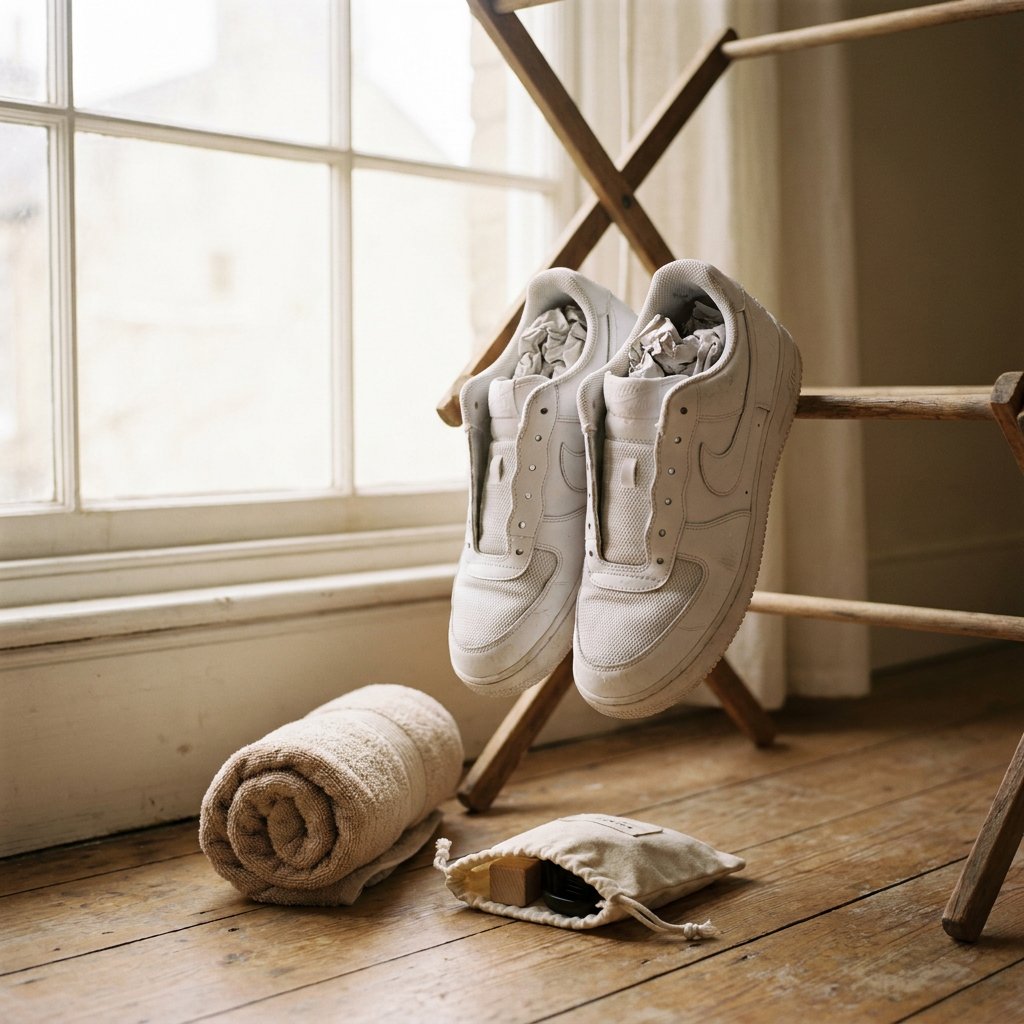
First, loosen the laces and remove the insoles if possible. That allows air to circulate better and helps the sneaker dry more evenly. Then stuff the shoes with absorbent paper so moisture is absorbed from the inside and the shape is better preserved. After that, place them somewhere with enough airflow, but not in direct sunlight and not right next to a heat source.
Ideally, use white kitchen paper or uncolored paper if you want to prevent discoloration. Newspaper can also work, but on light sneakers or sensitive materials it can sometimes transfer ink. Especially with white sneakers or linings, that’s an unnecessary risk.
Drying wet sneakers step by step
Want to know how to get your sneakers dry without guessing? Follow this order:
- Remove loose dirt and mud with a dry or slightly damp cloth, preferably Microvezeldoeken.
- Take the laces out or loosen them completely.
- Remove the insoles from the shoes and let them dry separately.
- Stuff the sneakers with dry paper.
- Place the sneakers at room temperature in a well-ventilated area.
- Replace the paper when it becomes soaked.
- Wait until the sneakers are completely dry before wearing them again.
Are your sneakers very wet, for example after heavy rain or because you cleaned them? Then replace the paper more often during the first few hours. That speeds up the drying process without needing to use heat.
What not to do when drying sneakers
A lot of damage is not caused by getting wet itself, but by the wrong drying method. Drying sneakers quickly sounds convenient, but high heat is exactly the problem for most models.
Sneakers in the dryer
Drying sneakers in the dryer is usually not a good idea. The combination of heat and movement can affect the fit, warp the sole and weaken glued areas. Glued sneakers, models with cushioning and premium materials are especially sensitive to this. People searching for sneakers in dryer are often looking for speed, but that speed often comes at the expense of your shoes’ lifespan.
Drying sports shoes in the dryer is also not recommended. In running shoes and other sports models, cushioning materials can lose their performance because of heat. You’ll notice that not only in the shoe itself, but also in the comfort afterward.
Hair dryer, radiator and other direct heat
A hair dryer, heater or radiator may seem like a smart solution, but direct heat dries materials unevenly. Leather can become hard or crack, suede can become stiff and synthetic parts can warp. In addition, seams and glued sections can come loose faster. So avoid using hot air up close to dry sneakers.
Direct sunlight
The sun is not an ideal solution either. Direct sunlight can cause discoloration, especially on dark, colored or suede sneakers. It also heats up the shoe, creating the same risk as other heat sources: drying out, loss of shape and material damage.
How long does it take for sneakers to dry?
How long it takes for sneakers to dry depends on the material, how much moisture is inside and how much ventilation there is. Light moisture may disappear within a few hours, but truly wet sneakers often need 12 to 24 hours to dry completely. Thicker models or sneakers with a lot of lining may need even longer.
Insoles and lining often hold more moisture than you think. That’s why a sneaker can feel dry on the outside while the inside is still damp. Don’t put wet or half-dry sneakers back on too quickly, because that gives bacteria, wear and unpleasant odors more opportunity. Read how to prevent that in Remove sneaker odor: 7 steps.
Drying sneakers by material
Drying leather sneakers
Leather sneakers require extra care. Leather does not handle fast temperature changes well and can dry out if you use heat. So always let leather sneakers dry slowly in the air. Stuff them with paper to help preserve their shape, and don’t place them too close to a sunny window or next to a radiator.
Once the sneakers are completely dry, a suitable care product can help keep the leather supple again. Within HypedPair’s care approach, a material-conscious aftercare treatment fits well, especially to limit dryness and dullness.
Drying suede and nubuck sneakers
Suede and nubuck are more sensitive to stains, discoloration and texture loss. Don’t rub wet material dry aggressively; let it dry calmly at room temperature instead. Here too, use paper inside the shoe, but avoid very wet cloths or aggressive heat. Once the material is dry, you can carefully refresh the fiber texture with a suitable suede brush or care set for cleaning suede sneakers.
Drying mesh, textile and canvas sneakers
Mesh, textile and canvas often dry a bit faster than leather, but heat is still risky here too. The fabric itself may seem able to handle more, but the glue, sole and construction of the sneaker remain vulnerable. So it’s still better to let these models dry slowly with enough airflow. For very wet sneakers, practical tips for fabric sneakers and changing the paper in between can help.
How to dry sneakers faster without causing damage
If you want to dry sneakers quickly without unnecessary risk, the real gain is in better airflow and moisture absorption, not extra heat. This approach usually works best:
- place the sneakers in a dry room with good ventilation;
- put them near airflow, but not against a heat source;
- use absorbent paper inside the shoe;
- replace wet paper in time;
- dry insoles separately.
A fan from a distance can help speed up the drying process, as long as you’re not using warm air. That’s much safer than putting sneakers in the dryer.
After drying: prevent odor, stains and new moisture damage
If sneakers have been wet, proper aftercare is smart. First let them dry out completely before putting the laces and insoles back. That prevents leftover moisture from getting trapped inside the shoe. In turn, that helps prevent musty smells and an unpleasant feel when wearing them.
If your sneakers got dirty from rain, mud or street grime, clean them thoroughly only once they are dry enough to treat safely. For regular care, you can consider a suitable cleaning set. If you want to limit future moisture damage, waterproofing sneakers can help stop water and dirt from soaking into the material as quickly.
For delicate or premium sneakers, professional cleaning can be a safe option, especially when dealing with combinations of leather, suede, mesh or stubborn dirt.
Frequently asked questions about drying sneakers
How do you get sneakers dry?
The best way is to air dry them at room temperature, with the laces loosened and paper inside the shoe. Also remove the insoles and let everything dry separately for a faster and more even result.
How long does it take for sneakers to dry?
On average, it takes 12 to 24 hours, depending on the material, ventilation and how much moisture the sneaker has absorbed. Thick sports shoes or lined models may need longer.
Can I dry sneakers in the dryer?
In most cases, no. Drying sneakers in the dryer creates a greater risk of shrinking, warping and glue coming loose. Especially with glued sneakers, leather models and sports shoes with cushioning, the risk is too high.
Is a drying cabinet safer than a regular dryer for sneakers?
Even with a drying cabinet, heat remains the biggest risk. As long as high temperatures are used, materials and glued connections can be damaged. Slow air drying therefore remains the safest choice.
Can I dry wet sneakers with a hair dryer?
That is not recommended. A hair dryer blows direct heat onto small parts of the sneaker, which causes the material to dry unevenly and become damaged more quickly.
What is better for drying sports shoes after exercise or washing?
The same applies to sports shoes: let them air dry, remove the insoles and stuff them with paper. That helps limit damage to cushioning, shape and glue.
What paper is best to use in sneakers?
White kitchen paper or uncolored absorbent paper is usually the safest. Newspaper also works, but it can transfer ink onto light linings or white sneakers.
This article was written by Marijn van der Heijden.
★★★★★ 4.9/5 uit 400+ reviews
Scoor jouw volgende exclusive pair
Geverifieerd op echtheid, scherpe prijzen en snel verzonden. Ontdek de meest gewilde sneakers van dit moment.
Shop sneakers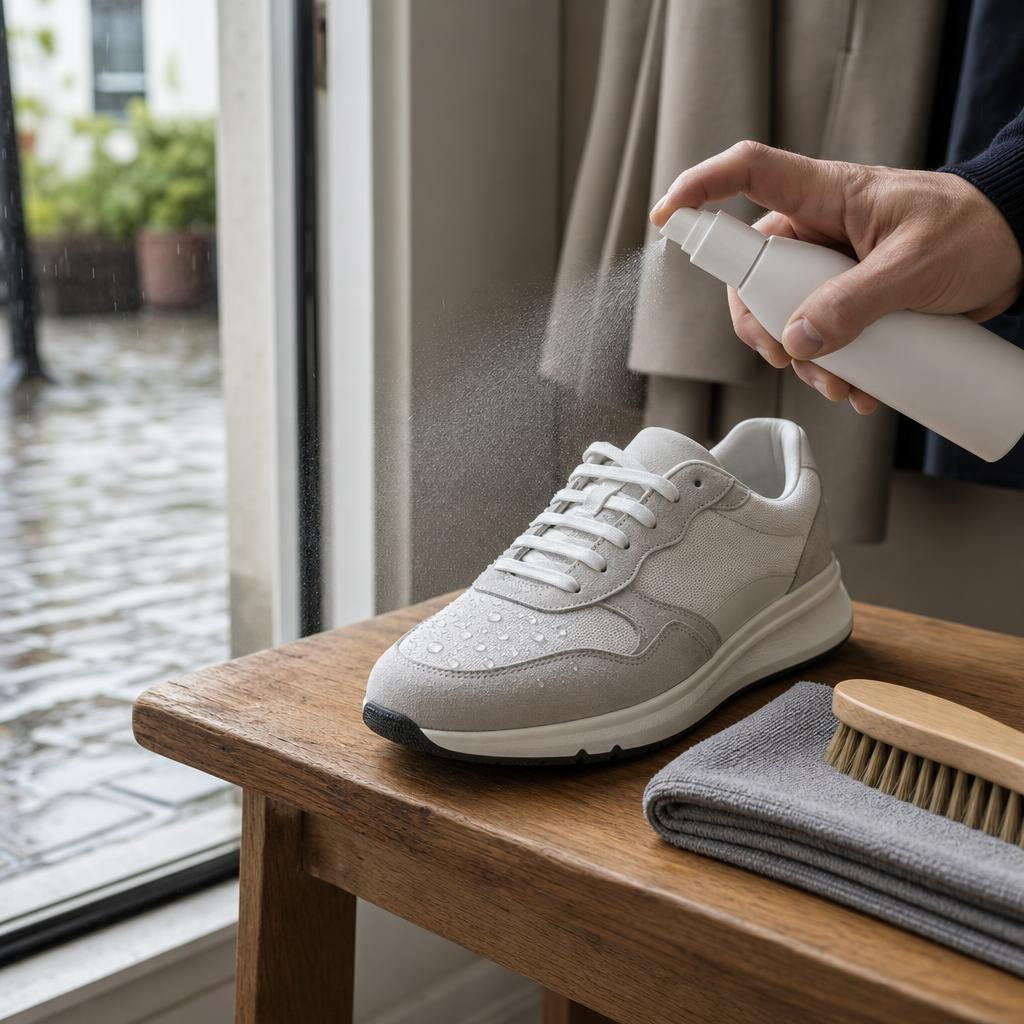

Leave a comment
This site is protected by hCaptcha and the hCaptcha Privacy Policy and Terms of Service apply.