




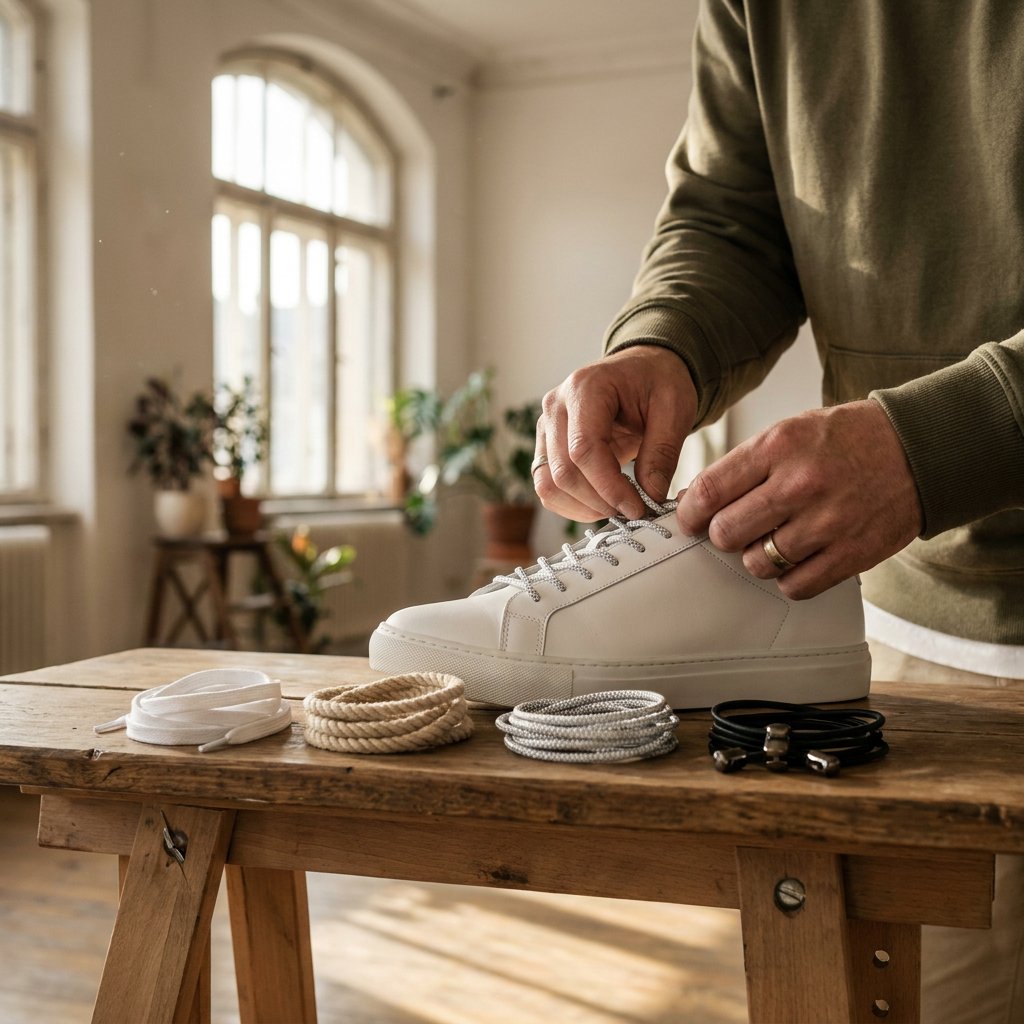
With a good laceswap, you can give your sneakers a completely different look in just a few minutes. New shoelaces can make a pair look fresher, cleaner, bolder or more balanced. For many sneaker lovers, a laceswap is therefore a simple upgrade with an immediately visible result. You are not only changing the color, but also the shape, thickness and vibe of your pair.
Explore Our Collection
Shop Now →Whether you choose flat laces, round laces, reflective laces, extra wide laces or elastic no-tie laces, the right choice depends on your sneaker, your style and how you wear your shoes. On this page, you will read what to look for when replacing shoelaces, which lengths usually fit and which lace style suits your look.
What is a laceswap?
A laceswap simply means replacing the original shoelaces in your sneakers with another set. That can be functional, for example because your old laces are worn out, but most of the time it is about style. With different laces, you can add color accents, create a retro look or keep your sneakers more minimal.
On sneakers, laces make a surprisingly big difference. A flat white lace creates a very different effect from a round black lace or an extra wide lace. Materials and finishes also matter. Think of reflective laces for extra visibility, fluffy laces for a bold look or elastic laces if convenience is your main priority.
Why do sneaker lovers choose a laceswap?
The biggest reason is personalization. You may wear a popular model that many people own, but with different laces you instantly make your sneakers feel more personal. On top of that, a laceswap is a quick way to give old shoes new life without buying a brand-new pair right away.
- You give sneakers a fresh look
- You match color and style better to your outfit
- You can choose more comfort or ease of use
- You replace worn or discolored original laces
- You make a model more eye-catching or more understated
For sporty or everyday shoes, the choice can also be practical. Elastic no-tie laces are useful if you want to slip in quickly, while reflective laces are interesting if you want extra visibility in the dark.
Which types of laces are popular for a laceswap?
Competitors on Google often mention categories such as flat, oval, rope and round shoelaces, but barely explain them. That explanation is exactly what matters if you really want to choose the right lace. The shape of the lace largely determines the overall look of your sneakers.
Flat laces
Flat laces are the most popular choice for sneakers. They look clean, sit nicely on the shoe and suit many models. They are often chosen for a classic or streetwear look. For a laceswap, flat laces are ideal if you want a subtle change that still has a big impact on the overall look.
Round or rope laces
Round laces, also called rope laces, create a sportier and sometimes slightly sturdier look. They work well on sneakers with a more technical appearance and on casual shoes where a more compact lace works better than a flat version.
Extra wide laces
Wide laces are often chosen for a bold, chunky look. They fit well with models and styling where the lace is truly part of the design. If you want a look that feels similar to certain Campus styles, extra wide laces are a logical choice.
Reflective laces
Reflective laces combine style with functionality. During the day, they often look subtle, while in light, for example from headlights, they stand out. That makes them interesting for people who like experimenting with details, but also for anyone who wants to be more visible in the evening.
Elastic no-tie laces
Elastic laces with a no-tie system are mainly focused on convenience. You do not have to keep tying them again and again, and it is easier to step in and out of your shoes. They are popular for sneakers, sports shoes and casual shoes, but also useful for children or for anyone who simply does not want loose laces.
How to choose the right lace for your sneakers
A good laceswap is not only about color. Always look at the shape of the shoe, the number of eyelets, the thickness you want and the style you are aiming for. A lace that works perfectly on one sneaker can look too narrow, too thick or too long on another model.
Look at the shape of the sneaker
Minimal sneakers often look best with flat laces in a calm color. Sportier models can work very well with round laces. On a chunky model or a more outspoken streetwear look, wide laces can add extra impact.
Decide whether you want contrast or balance
White laces in a dark sneaker create contrast and draw attention to the upper. Black or tonal laces often make the whole look calmer. Beige, gray and brown are popular if you want to create a softer, more premium look.
Think about use and comfort
If you wear your sneakers every day, durable laces matter. Polyester laces are popular because they keep their shape and color well and fray less quickly. If convenience is your main goal, elastic no-tie laces are often the best option.
What lace length do you need?
The right length is essential when replacing shoelaces. Laces that are too short are hard to tie, while laces that are too long can look messy. Many sneaker laces roughly fall between 100 and 180 cm. The right shoelace length per sneaker mainly depends on the number of eyelets, the width of the shoe and the way you lace it.
For elastic laces, 140 cm is often used, while flat sneaker laces are available in different lengths to better match specific models and preferences.
General guideline for lace lengths
| Number of eyelet pairs | Common length | Note |
|---|---|---|
| 4-5 pairs | 100-120 cm | Often suitable for lower sneakers and casual shoes |
| 5-6 pairs | 120-140 cm | Commonly used on popular sneakers |
| 6-7 pairs | 140-160 cm | Useful if you want extra length for a loose bow |
| 7+ pairs | 160-180 cm | More often needed for higher models or specific lacing styles |
See this table as a starting point. The exact length also depends on how thick the lace is and whether you want to lace the sneaker tightly or loosely.
Popular laceswap styles
Not every laceswap is about bold colors. Sometimes the difference is in subtle styling. By choosing smartly, you can make the same pair feel very different.
- Clean look - white or tonal flat laces for a fresh base
- Contrast look - light laces in dark sneakers or the other way around
- Statement look - wide, fluffy or reflective laces that really stand out
- Sporty look - round or rope laces for a technical appearance
- Practical look - elastic no-tie laces for everyday ease
Which sneakers are popular for a laceswap?
A laceswap is especially popular on sneakers where the lace takes up a lot of visual space. Think of models such as Nike Air Force 1, Air Jordan 1, Asics and similar sneaker silhouettes. Replacing shoelaces is also popular on casual models and sports shoes, especially when comfort and speed matter.
On some models, a specific style works especially well. For example, many people choose flat laces on classic sneakers, wide laces for a bold streetwear look and elastic laces for daily wear or workouts.
How do you do a good laceswap yourself?
People searching for questions such as how to do the shoe lace trick or what the best lacing technique is are usually looking for a practical approach. A laceswap does not have to be complicated, but replacing your laces neatly does make a difference.
- Remove the old shoelaces completely from the sneaker.
- Compare the old length with your new laces.
- Choose the lacing style that suits your sneaker and desired look.
- Lace them in calmly and evenly.
- Check whether the left and right sides are the same length.
- Adjust the tension for comfort and appearance.
If you want a neat, symmetrical look, make sure the lace tips are exactly even before you continue lacing. That prevents crooked tension and gives a much cleaner finish.
What is the best lacing technique?
The best lacing technique depends on what matters most to you. For most sneakers, classic criss-cross lacing is the safest option: it feels comfortable, looks familiar and works on almost every model. If you want a tighter, more minimal look, you can choose a straighter or neater lacing method. If you wear your sneakers more loosely, you will usually want a bit more length and a lace that stays in place nicely.
For no-tie use, the focus is less on tying and more on even tension. For sporty use, pressure distribution matters so the shoe stays secure without feeling too tight.
When should old shoelaces be replaced?
A laceswap is not only about style, but also about maintenance. Old shoelaces should be replaced once they start fraying, discoloring, losing their shape or no longer lying flat or round properly. A lace that has become too stiff or too limp can also take away from the overall look of your sneakers.
New laces often make more difference than people expect. Even a clean pair of sneakers can look less cared for with worn laces. On the other hand, a new set can instantly create a fresh upgrade.
What can you do with old shoelaces?
If your old laces are no longer suitable for your sneakers, you do not always have to throw them away immediately. Some people keep them as a spare set or use them for small tasks, labeling, bundling or creative purposes. If they are truly worn out or damaged, replacing them is simply the best choice.
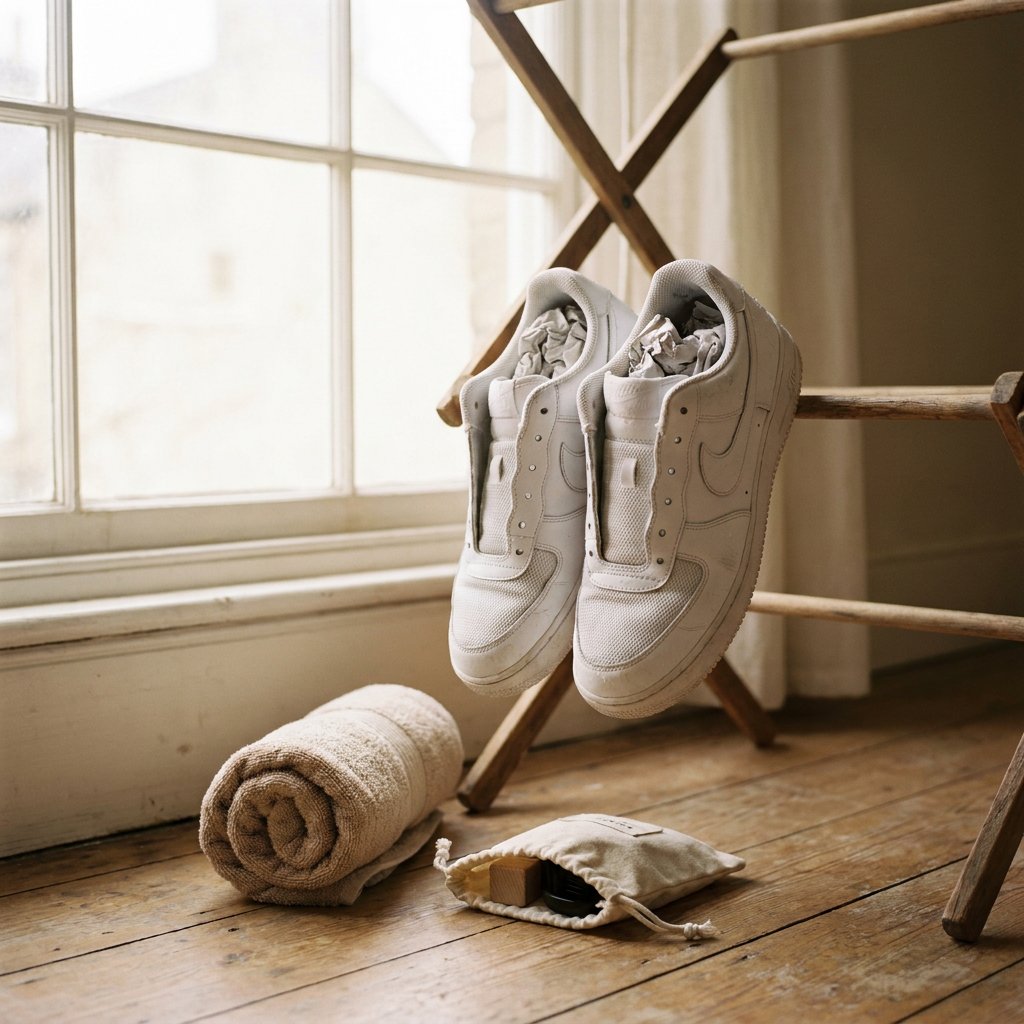
For your everyday sneakers, it usually makes more sense to invest in a new set that matches the look and use of your shoes. If you want to keep your current set, follow our step-by-step guide for making shoelaces white again and cleaning them.
Laceswap ideas for your next sneaker upgrade
Not sure which direction you want to go in? These are combinations that often work well:
- White flat laces in a white sneaker for a fresh, clean look
- Black round laces in dark sneakers for a sharp and calm look
- Beige or light gray flat laces for a soft, premium vibe
- Reflective laces for a subtle detail with extra visibility
- Wide laces for a standout streetwear look
- Elastic no-tie laces if convenience matters more than a classic bow
Frequently asked questions about laceswap
What does laceswap mean?
Laceswap means replacing the original shoelaces in your sneakers with different laces. Most people do it for a new look, but it can also be about comfort or convenience.
Which laces are best for sneakers?
That depends on your sneaker and your style. Flat laces are the most versatile, round laces create a sportier look, wide laces stand out more and elastic laces are useful if you want to slip in quickly.
Which lace length should I choose?
Look at the number of eyelets and compare them with your current laces. Many sneaker laces fall between 100 and 180 cm. For many models, 120 to 140 cm are popular lengths.
Are polyester shoelaces a good choice?
Yes, for everyday use polyester laces are often a strong option. They usually keep their shape well, hold their color better and fray less quickly than cheaper alternatives.
Are elastic no-tie laces only for sports?
No, they are also widely used in casual sneakers. They are popular with children, for everyday convenience and with people who do not want loose laces or want to step in and out of their shoes quickly.
Can a laceswap really make a big difference?
Yes, often more than you think. A different color, thickness or shape instantly changes the look of your sneakers. It is one of the fastest ways to upgrade a pair.
Which shoelace color almost always works?
White, black, beige and shades of gray are the most versatile. You can discover which color matches best in the shoelace colors guide; it depends on whether you want to create contrast or keep your sneaker more understated.
Are reflective laces mainly functional or stylish?
Both. They give sneakers a special detail while also providing extra visibility when light hits them.
Shop laceswaps at Hypedpair
If you want to give your sneakers a new look, Hypedpair offers different lace styles for a successful laceswap. Think of flat sneaker laces, round or rope laces, reflective laces, fluffy laces, extra wide laces and elastic no-tie laces. With these, you can personalize sneakers, upgrade them or simply give them a fresher look.
When choosing, pay close attention to length, shape and the effect you want to achieve. That way, you get the most out of your laceswap and give your pair exactly the look you want. If you also want to experiment, veterpacks are useful, and after replacing your laces you can also read how to tie shoelaces: 5 popular methods.
This article was written by Marijn van der Heijden.


Leave a comment
This site is protected by hCaptcha and the hCaptcha Privacy Policy and Terms of Service apply.